
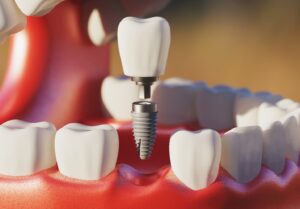
Dental implants are generally more expensive than dentures and dental bridges because they are surgically placed and can restore both the roots and crowns of missing teeth. Although the upfront cost may be difficult to justify, the benefits these prosthetics provide cannot be matched by any other tooth replacement solution. If you want to know whether you will save in the long run with dental implants, keep reading.
Dental Implants vs. Dentures & Dental Bridges
It is impossible to compare figures when discussing these three methods of tooth replacement, especially since each case is different. However, there are examples of how you can expect to save when choosing dental implants over dentures or dental bridges, including:
- Dental implants do not require denture adhesive to hold them in place, as dentures do. This recurring cost is not necessary, allowing you to save money over time.
- Dental implants are surgically affixed to the jawbone, fusing with surrounding tissues to create a permanent base. This prevents teeth from shifting, warping, or requiring frequent replacement, as dentures and dental bridges do.
- Jawbone loss is common with traditional prosthetics because they only sit on top of the gums; however, dental implants also replace the missing roots of teeth, providing continuous stimulation to the bone. This reduces resorption, facial sagging, and additional tooth loss over time.
- Dental implants have a lifespan of 30+ years, while dentures and dental bridges are likely to last anywhere from 5-10 years on average.
- There is no need to alter your natural teeth when receiving dental implants. This reduces any need for future dental work, unlike what may be necessary for teeth that anchor dental bridges.
Are Dental Implants Worth the Investment?
Yes, dental implants are worth the cost because of the transformative improvements you will notice in your smile and oral health. Apart from the benefits listed above, the cost of treatment varies for each person, so what you pay will unlikely be what someone else pays.
If you use dental insurance, they may or may not cover the surgical portion of treatment, but you may receive partial coverage for your custom restoration or any preliminary care required. It’s helpful to ask your dentist about any financing they offer through companies like CareCredit or whether they offer an in-house dental savings plan to lower out-of-pocket costs.
Regardless of the price, choosing dental implants will not only save you money in the long term, but it will be an investment you won’t regret.
About the Author
Dr. Robert Rosenbaum is a graduate of the Georgetown University School of Dentistry. Focusing much of his career on general dentistry and providing top-tier service to as many patients as possible, he and his team offer in-house dental implant placement and restoration. Using advanced technologies to ensure accuracy and precision, he eliminates the need for referrals by allowing patients to remain with the same team they know and trust. Want to discuss your eligibility for dental implants? Visit our website or call (350) 200–0643 to schedule a consultation.